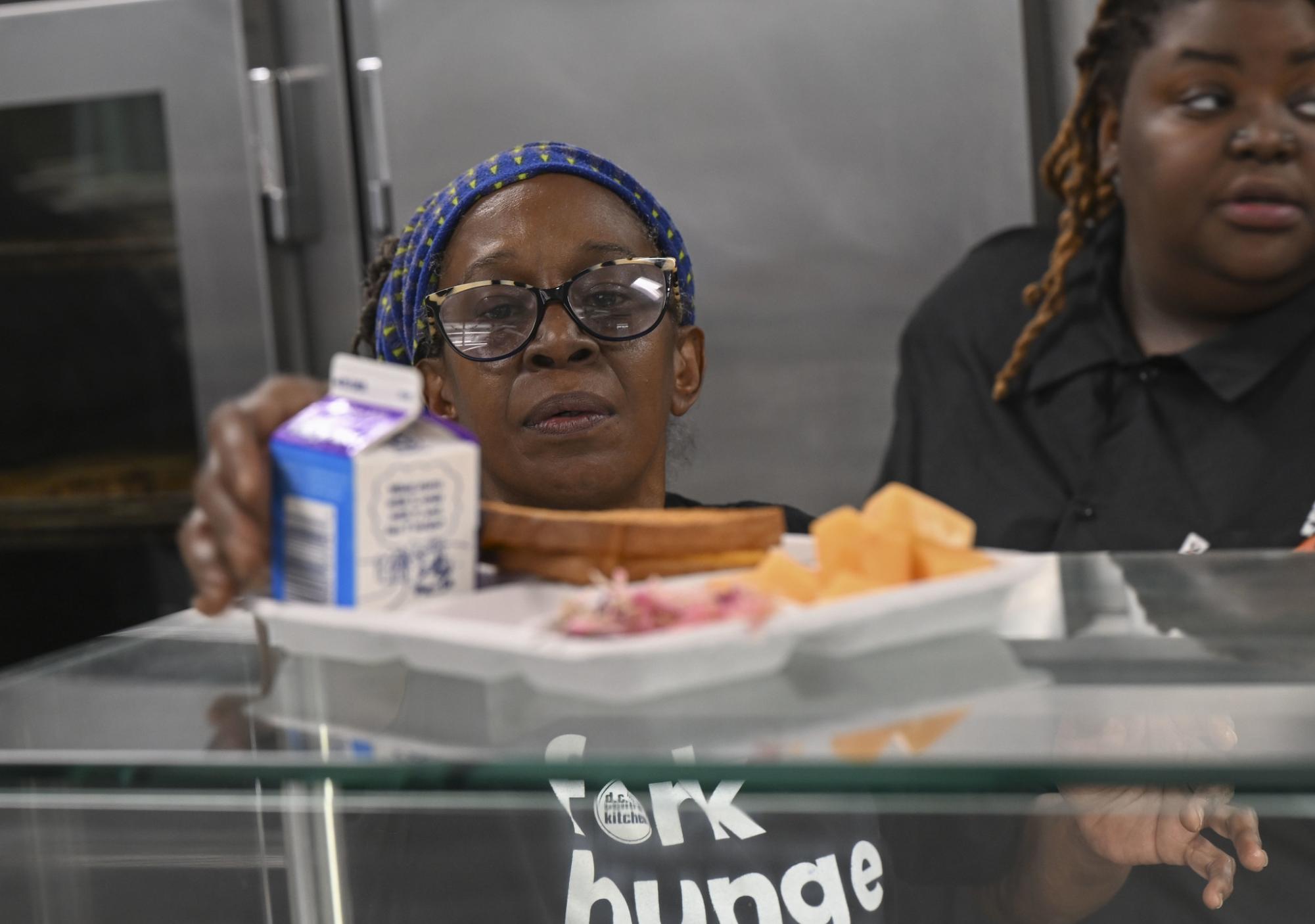
Access to 2% low-fat and whole milk is now available to school nutrition programs and districts in the National School Lunch Program, after becoming law in late January 2026.
The statute allows public school districts to choose to place it on their menus, changes that are expected to roll out gradually as districts finalize food procurement contracts. But it is an optional policy change that industry leaders say not all schools may immediately respond to.
“I suspect that we’ll have some school districts that want to offer it on their menus right away, and then some school districts will take a little more convincing, and some might not even be really looking into that option,” said Allyson Jones-Brimmer, executive director of the Northeast Dairy Producers Association.
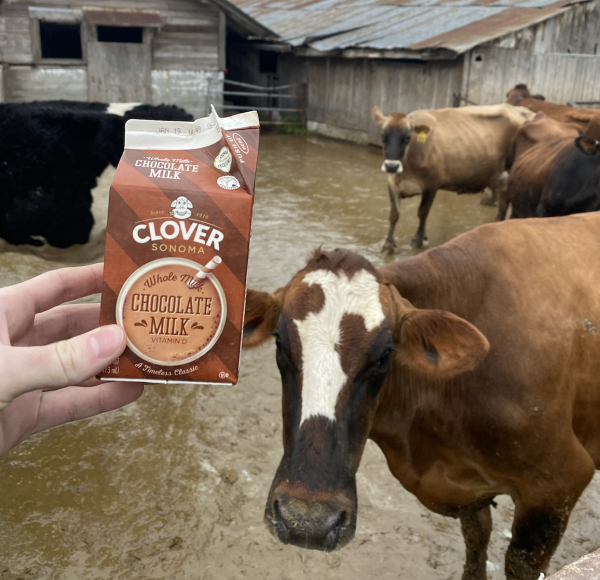
So far, a small percentage of school districts in New York have begun offering whole milk products.
Schools like Attica Central in Wyoming County, Springville in Niagara County, Schuylerville in Saratoga County and Whitesboro Schools in Oneida County have started offering whole milk products.
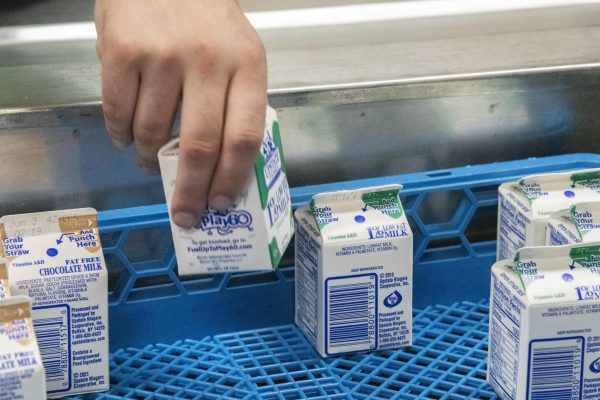
The 8oz milk cartons are supplied by Upstate Niagara Dairy Cooperative, serving Western New York, Hudson Valley Milk for the capital region and soon by Borden Milk too.
Hudson Valley Milk said to IthacaWeek orders are trickling in, with most schools waiting until fall; the company also won’t offer whole chocolate milk until then. Private schools, outside federal nutrition programs, have remained steady buyers.
Other districts have also publicly dismissed the change, like New York City Schools, saying no changes to their current milk offerings are coming, or being considered.
The success of the new law will depend on the choices and adoption of school leaders.
“There’re some school districts that maybe are urban or suburban that don’t have a strong connection to agriculture in their community, but maybe have some food security challenges among their student population, and really want to be able to provide their students with as much nutrition as possible,” said Jones-Brimmer.
At Attica Elementary, school cook Stephanie Hartgrove said in a video posted by the district, “We’ve cut down on 1% (milk), probably about by 60%. We used to order about eight crates of 1%, now we’re down to two.”
With a mission opposite to that of Michelle Obama’s 2012 fat milk ban, Attica CSD Food Service Manager Kayla George said their community which serves 1,140 K–12 students sees whole milk as a nutritional opportunity.
“The reason that full fat dairy products were taken out of school breakfast and lunch years ago was to combat childhood obesity,” George said. ”While that’s a wonderful thing, I don’t think that that’s an issue that we’re seeing in our specific area. It just doesn’t fit into our demographics, really. And I really think that there are more students than not in this particular area that could use the extra calories in their meals.”
Milk ordering marathon
Smaller districts with localized control can move quickly on food procurement decisions and adjustments, while larger, consolidated bidding systems often operate on much longer timelines.
“Some schools could be locked in if they have a one-year bid, or they’ve already put their bid out and awarded it,” said Julie Raway, registered dietitian at Broome-Tioga BOCES School Nutrition Services.
BOCES are educational institutions in New York designed to help public schools control costs and improve service quality. In Broome and Tioga counties, BOCES provides centralized services to 15 component school districts, including business office support, career and technical education programs, printing, instructional design, nutrition services, and food procurement, Raway explained.
In other parts of the state, such as the Capital Region, BOCES operates at an even larger and more consolidated scale — serving 24 component districts and providing services to an additional 150 schools. This level of centralization can make it more difficult for individual districts to quickly adjust procurement processes or change menu offerings.
“When this was passed in January, we couldn’t immediately serve it because we didn’t have it legally procured,” she said.
Fielding questions from administrators and staff about the 20,000 lunches and 13,000 breakfasts served each day, she tells the community that “our leadership team is just looking at the facts.”
Raway explained that cost, waste, student acceptance, meal participation and even staff turnover go into choosing ingredients to serve. Additionally, the statute only allows the new products to be served at lunch in the National School Lunch Program, but not the Special Milk Program or School Breakfast Program yet.
“It’s been this way with almost all school meal regulations, they’re not always clear,” she said.
She awaits guidance on how the whole milk change interacts with the rest of their meal times, and has not made milk category decisions yet.
The National Milk Producers Federation told IthacaWeek that federal guidance should be coming soon to align the Dietary Guidelines for Americans with this new law, across all federal food programs.
They explained that the Office of Management and Budget still needs to review the United States Department of Agriculture’s submitted interim final rule, which they anticipate would apply the Whole Milk for Healthy Kids Act to lunch and breakfast.
NMPF, an organization that represents dairy farmers, said they are “advocating for expedited rule making to allow whole and 2% milk to be served in school meals since the bill passed the House. We are hopeful the interim final rule will clear OMB soon so that dairy producers, processors and schools can have certainty as we head into the 2026-2027 school year.”
Whole milk, whole price
The American Dairy Association Mideast works to create demand for products locally and to implement products in schools as well. In promotional materials they note that whole milk tends to cost more than reduced-fat varieties, some milk suppliers do not have whole milk available in half-pints and a few cents per carton adds up quickly when stretched across an entire school population.
While it can be a factor in purchasing, Raway said, “We factor in costs with any product. But, it’s not the driving decision maker all the time. It’s one of the components of the decision.” What it comes down to, she said, “whoever bids on our contract and who gives the best price for each product.”
According to an August 2026 award pricing sheet, Upstate Niagara Cooperative Inc. is selling 2% low fat milk in 1/2 pint carton for a unit price of $0.40. A few cents cheaper are white skim milk at $0.36 and 1% low fat milk, $0.38. While fat free chocolate milk, 1% low fat chocolate milk and fat free strawberry milk are $0.43.
The price producers receive is also expected to shift demand. Jones-Brimmer, who represents a New York producers, asks the same question, “If we create more demand for whole milk, does that utilization impact the milk price?”
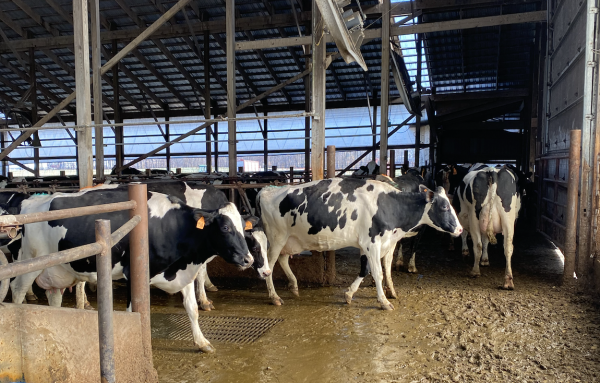
Under the Federal Milk Marketing Orders, whole milk sits in a different federal price category than skim milk that farmers get paid.
“Even small shifts in school milk sales can strengthen the Class I category, lift butterfat utilization and return more value to farmers,” said Daniel Munch, economist at the American Farm Bureau Federation, in a market intel report.
The reallocation of components from manufactured to beverage markets would increase milkfat utilization, meaning a higher price. “Under an all-skim baseline, if 25% of schools adopt whole milk (representing an early, conservative estimate), total milkfat utilization would rise by roughly 18 million pounds annually,” he said.
It’s a shake-up milk producers could benefit from. February’s Class I base milk price hit its 68-month low this year.
Implementation of the school choice measure will hinge on procurement timelines and the ability of local advocates to drive adoption.
“A lot of the upstate milk comes from this area, and the kids know that too,” said George from Attica Elementary. For now, familiarity from home and farm is helping drive early uptake.