Ithaca College sophomore Sadie Ruiz began her journey playing field hockey when she was about 9 years old. She has played ever since, and along the way developed a dream to play at the National Collegiate Athletics Association (NCAA) Division I level.
Ruiz, a psychology major, accomplished her goal of playing DI field hockey and accepted an offer to attend Fairfield University and compete on their field hockey team. However, once she arrived, she realized her DI dream was not everything she imagined.
“It was just work, school, field hockey obviously, and just start over,” Ruiz said. “I just thought it was what I’d been working for five plus years, and then I just felt like it was like giving up on my dream.”
Ruiz is one of a few IC student athletes who transferred to IC, a liberal arts DIII institution, from a DI school. Others are on the wrestling, field hockey, softball and football teams.
Athletics
Being a college student athlete is a dream that many youth and high school athletes like Ruiz have. However, according to the NCAA website, about 6.6% of high school athletes go on to play a sport in the NCAA and 2% go on to play at the DI level.
The NCAA has three divisions of sports: DI, DII, and DIII. DI is the biggest commitment. Often, it is difficult for DI athletes to have jobs, internships, or join clubs throughout college, and it is the highest level of intercollegiate competition with full athletic scholarships available. Additionally, DI generally has the best facilities, media coverage and financial resources out of the three divisions.
DIII athletics is still a large commitment, but it does not have the same facilities, coverage or financial support as DI. However, it is the best opportunity for an athlete to get a well-rounded college experience.
The decision to transfer out of DI athletics and give up DI perks can be caused by a combination of different variables such as academics, team culture issues and coaching decisions.
Academics
Athletics is a large component of a student athlete’s experience, but student athletes understand that college exists to receive a degree, not to solely play sports.
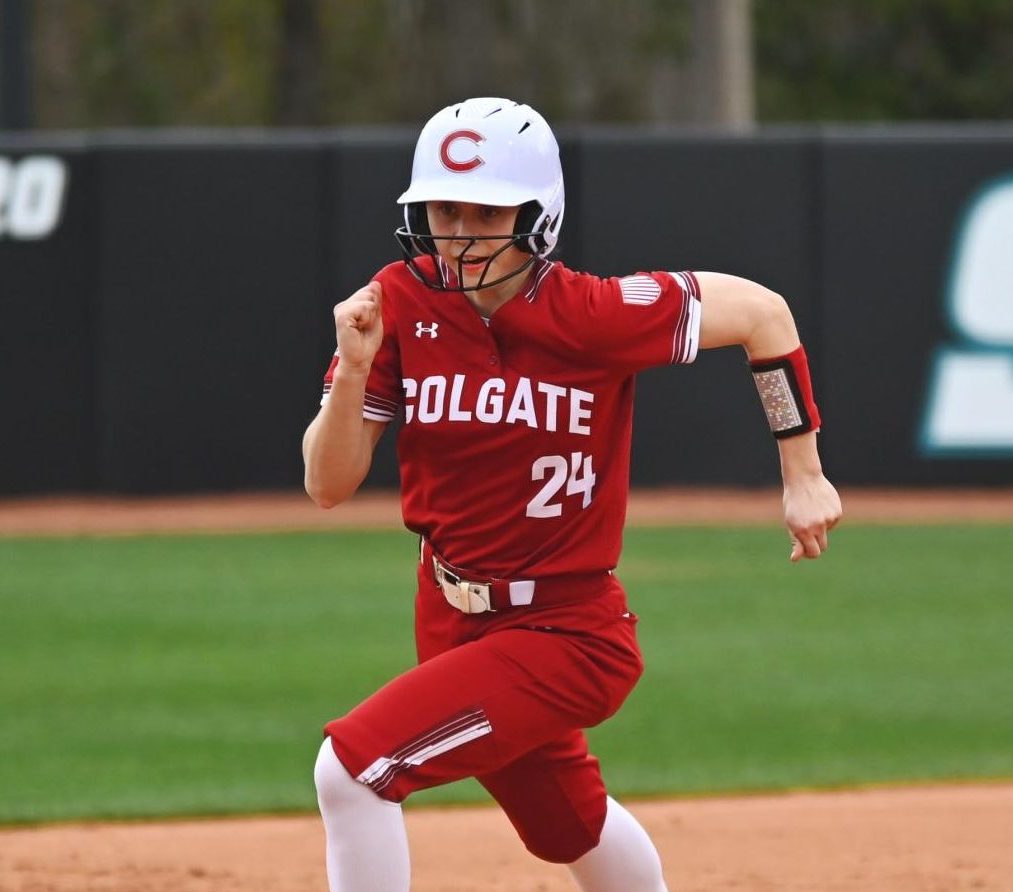
Senior Cate Murray, a sports media major and softball player, previously attended Colgate University in Madison County, NY.
Although she loved her team there, she wasn’t satisfied in the classroom.
Murray’s academics fueled her decision to transfer to IC for sports media. Colgate didn’t have the communications or business courses she was seeking.
As a DIII athlete, Murray feels like her balance between athletics, academics and professional work is better.
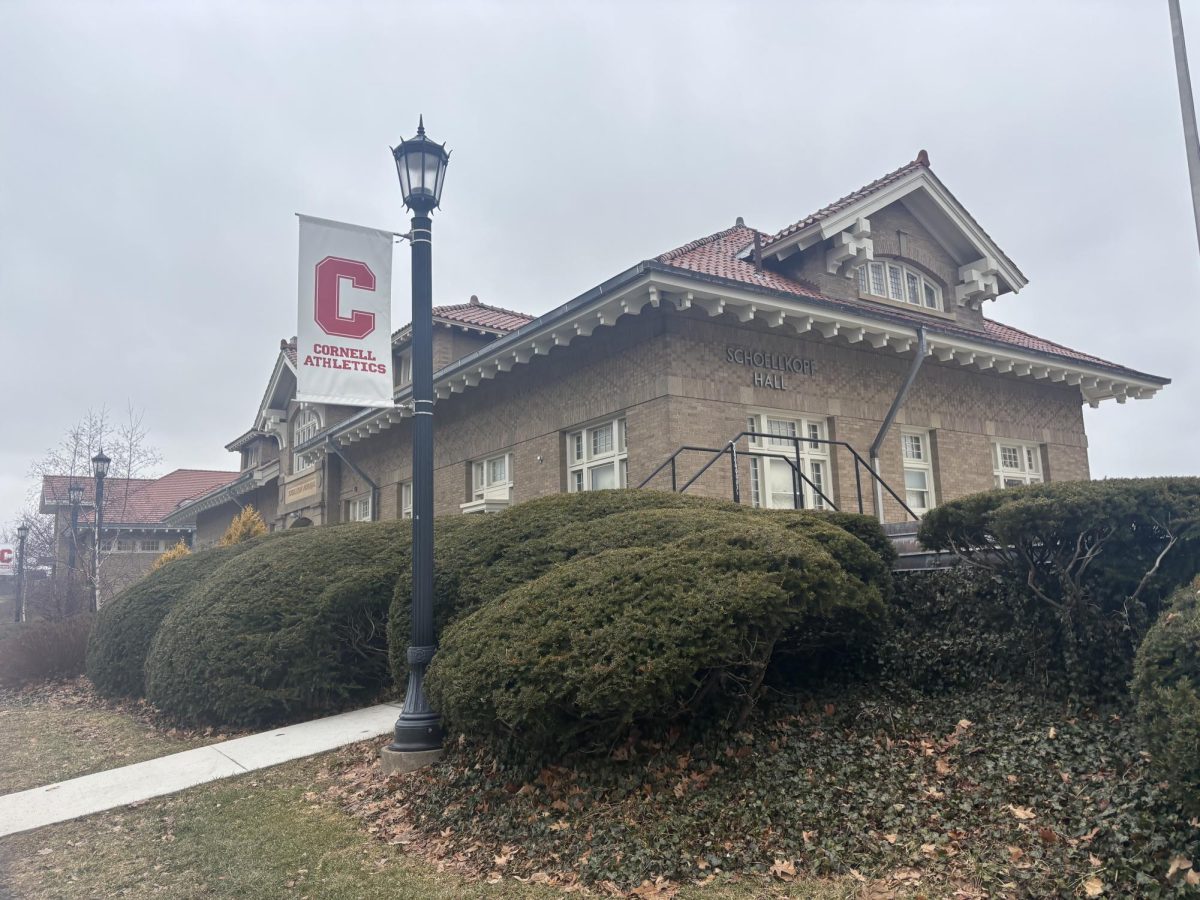
“Playing at the DIII level provides you a lot of opportunities to grow professionally as well,” Murray said. “Ithaca athletics obviously has fantastic opportunities with creative media, but also due to our schedule, I’m able to work with Cornell athletics . . . [At Colgate], I didn’t have much free time to work on my professional career.”
At DI schools, the median undergraduate enrollment is 8,800 according to NCAA data. At DIII schools, the median undergraduate enrollment is 1,700. Smaller class sizes at DIII institutions provide closer student-professor relationships with lower student-to-faculty ratios. At IC, the ratio is 11:1.
Junior Jay McDonnell, a psychology student on the men’s wrestling team, said he performs better in the classroom at IC and finished his first semester at IC with a higher GPA than his previous institution, Binghamton University.
“I feel like I have connections with my professors instead of just being a number,” McDonnell said.
Team Culture
In college athletics, teams spend extended periods of time together for sports-related activities and bonding. Team culture is embedded in the DNA of every team and depending on if the atmosphere aligns with an athlete’s values, it can make or break their experience.
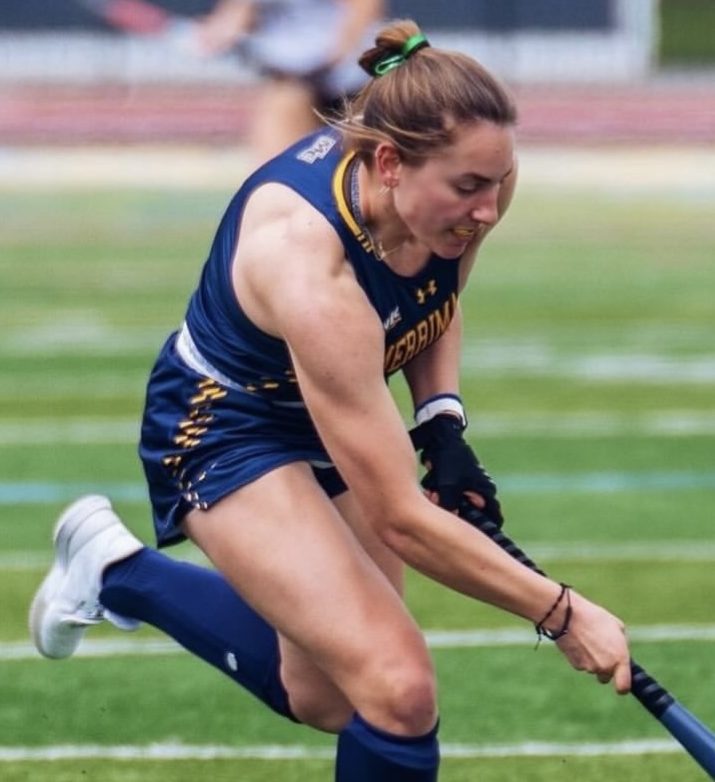
Toni Ierardi is a junior athletic training student on the field hockey team. She was driven to transfer from Merrimack College in Massachusetts because she wanted a program with better team culture.
She said that building positive team culture was difficult at her former school due to teammates transferring in and out of the program frequently, as well as coaches not putting their focus toward developing healthy team dynamics.
“[Within DI] the coaches are more concerned with winning than they are with making sure they have a cohesive team, whereas at Ithaca, my coaches, their team culture is their number one priority,” Ierardi said.
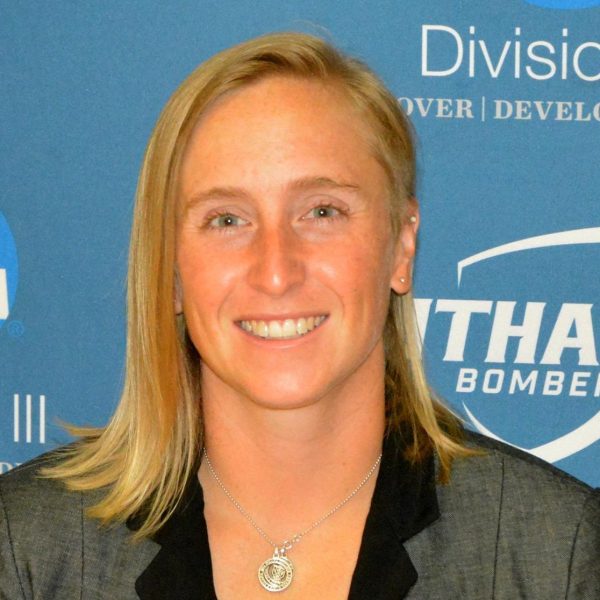
Although IC field hockey has four DI transfers currently on their roster, the coaching staff said they do not recruit transfers — they admitted they don’t know how to log in to the transfer portal.
Assistant field hockey coach Mo Ordnung said that all their transfer athletes reached out to them with interest after they had a negative DI experience. Ordnung agrees that healthy team relationships are vital.
“I think a lot of times they’re looking for a culture shift,” Ordnung said.
“They went Division I and there was something they didn’t like about it,” Ordnung added. “A lot of the time it’s culture related.”
Coaching Decisions
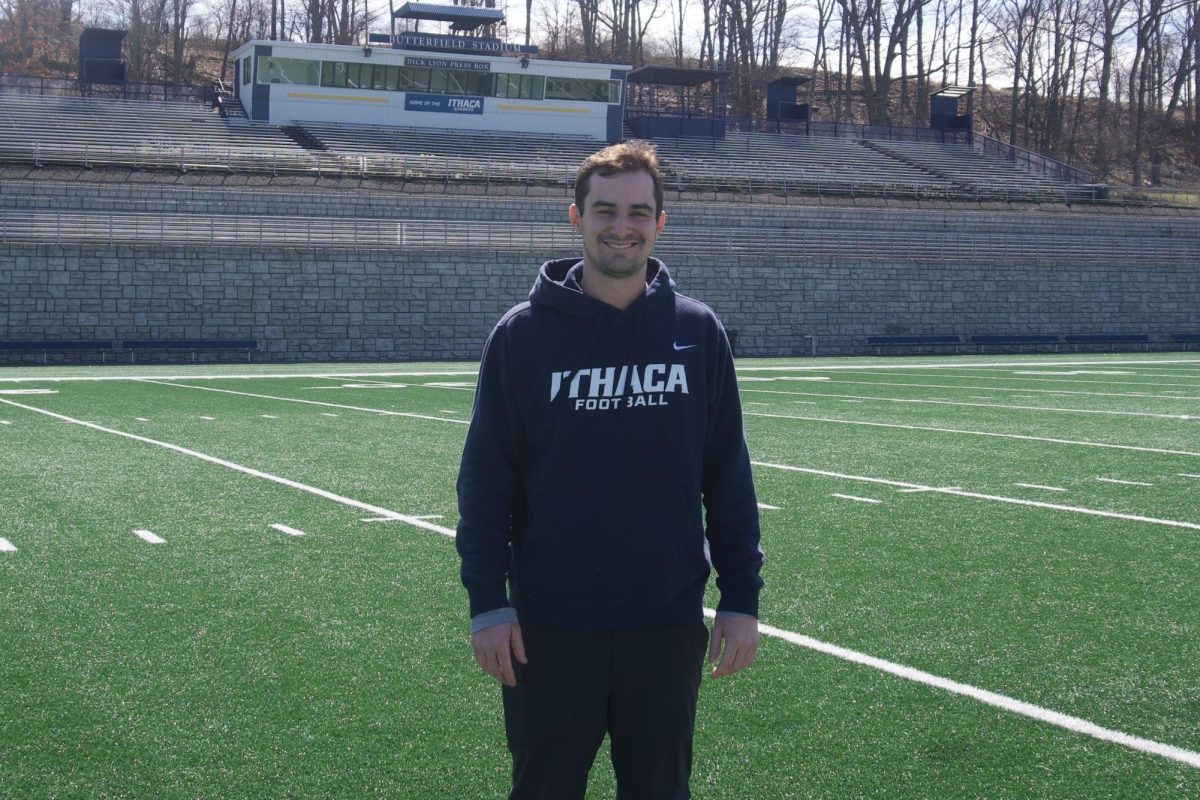
Luke Savino, a junior business student on the IC football team, left West Virginia University because of a coaching staff change.
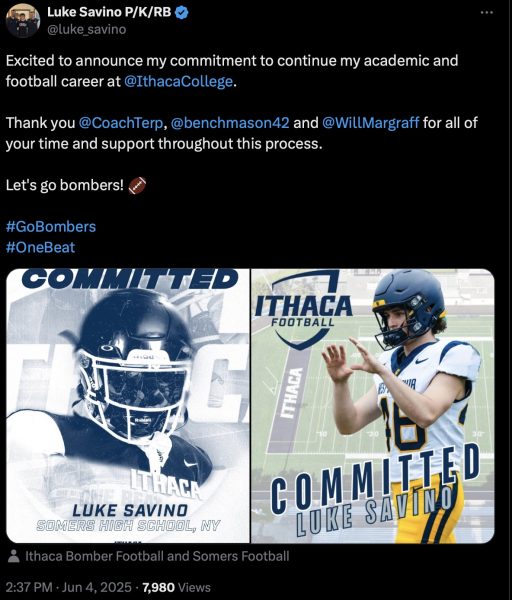
Savino said there was a two-month tryout under the new coaching staff and by the end of that, 40 athletes would be cut from the team.
“I kind of knew at that point that I had to start looking,” Savino said.
When looking at schools to transfer to, the IC football coaches assured Savino he would get playing time, which influenced his decision to transfer to IC.
McDonnell said the decision to transfer wasn’t easy. He enjoyed his time wrestling at Binghamton University, but his coaches wanted him to lose an extra eight pounds to compete at a lower weight class the following year, and he wasn’t comfortable with that.
“I was open to wrestling at any division, I just wanted to wrestle and compete without having to cut too much weight,” McDonnell said of his experience transferring. “The Ithaca coaches stood out to me and sold me.”
The DIII Decision
Although pursuing DI athletics wasn’t the right fit for these student athletes, Ruiz said it can work for some. However, the decision needs to happen after much consideration.
“Just because Fairfield or DI wasn’t the right school [or division] for me doesn’t mean it’s not right for everybody,” Ruiz said. “I think people need to be very informed before they make their choice.”
For student athletes looking for the kind of experience Ithaca College offers, making the move might make good sense.
“It’s the best decision I’ve ever made in my life,” Ierardi said.