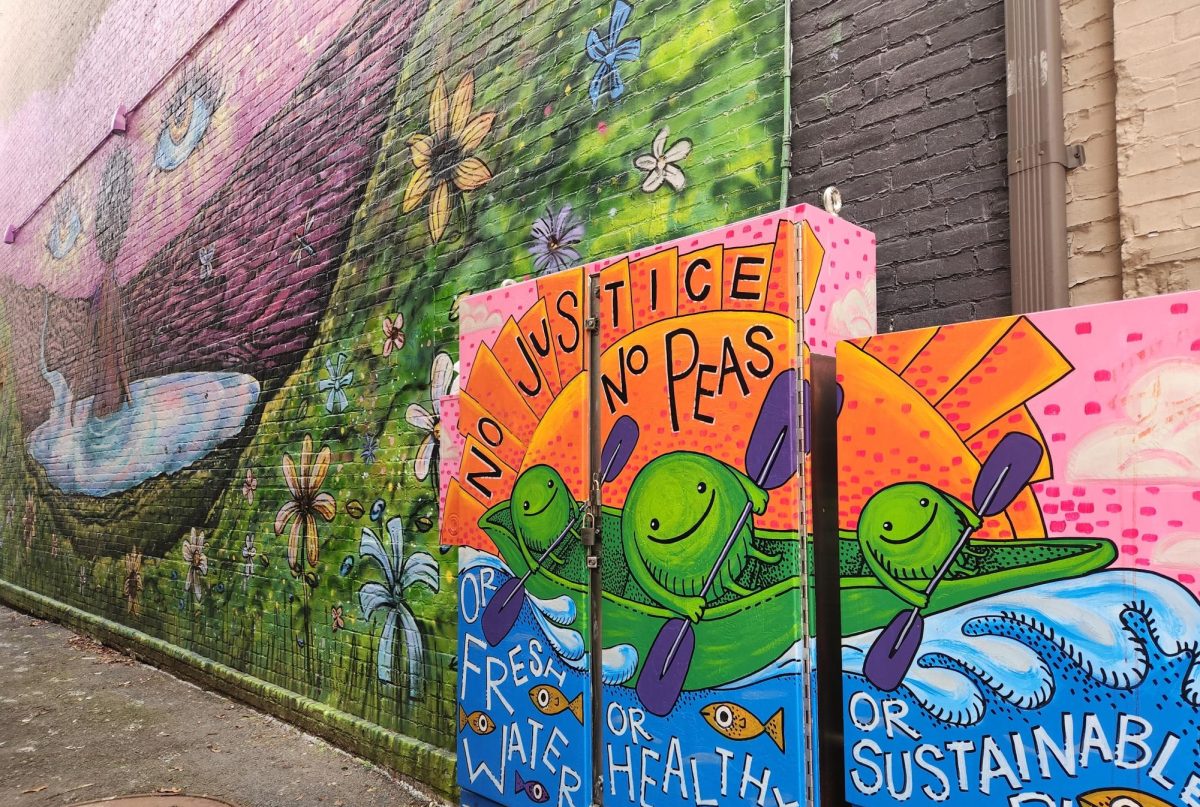

Rohini Gupta has been attending events at Soil Factory since 2017; over the past nine years, she has watched it transform from an art gallery into an open space for creatives to explore various art forms.

“When I first came here, it felt like a really niche space where these artists were doing really cool, unique things that I didn’t feel like I could relate to,” Gupta said. “So many people were coming in and offering their own skills, and it just became a huge community thing where there was a space for everyone to be able to contribute in whatever way made sense for them.”
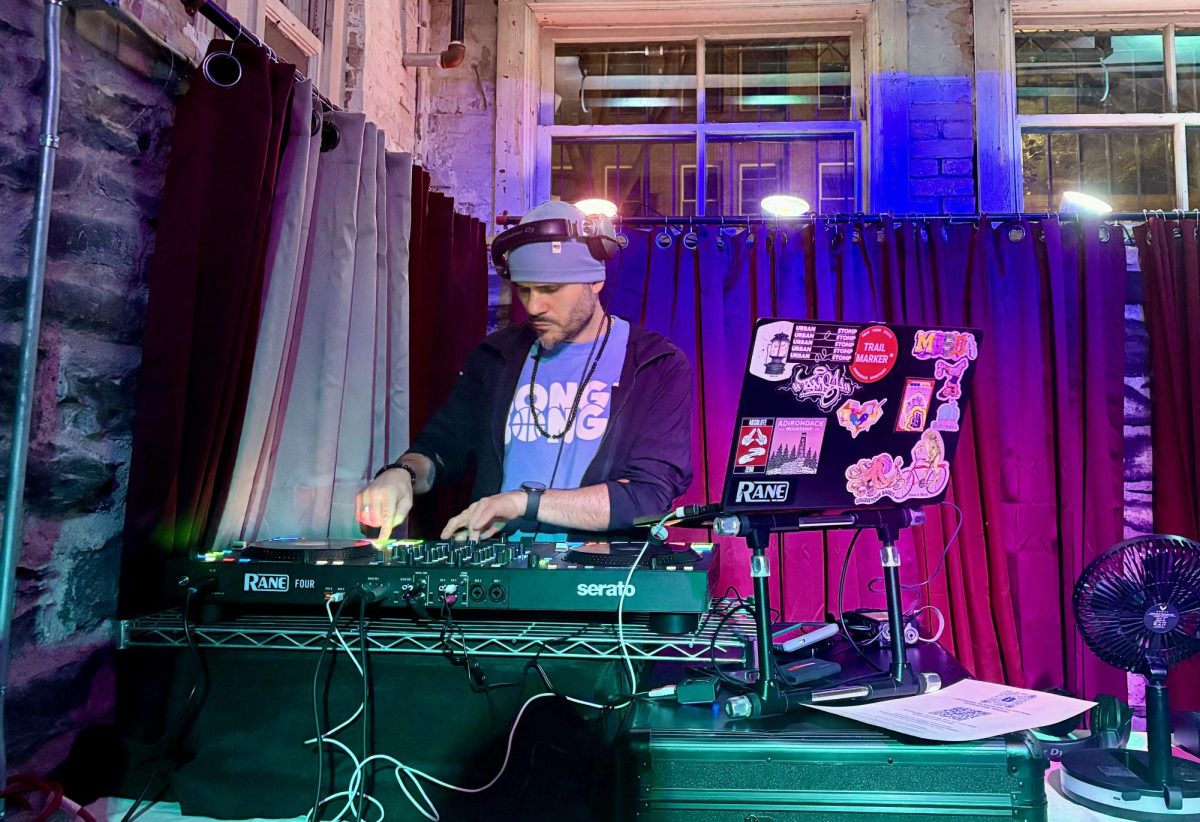
Soil Factory is a free studio space open to anyone in the Ithaca community for crafting, hosting events, and teaching new skills. However, with the reduction of federal grants and funding for the arts, the Soil Factory’s ability to continue its mission has come to rely on the monetary and interpersonal support of the Ithaca community.
Since the beginning of the second Trump administration, the amount of federal funding and grants received by Soil Factory has been significantly reduced, they say.
To compensate for this reduction in funding, the organization has relied on community support through monthly membership donations and merchandise purchases.
Soil Factory regularly hosts free community events that encourage individuals to come together through creativity and crafting, while also prioritizing sustainability by utilizing donated or repurposed materials.
“There’s definitely a commitment to sustainability,” local artist and craft space co-manager Josi Valle-Ellis said. “There’s a commitment to learning, to creativity, to openness and inclusivity.”
Thursday night craft jams
Biweekly on Thursday nights, Soil Factory hosts Craft Jams, during which attendees are encouraged to bring any craft or creative project to work on. Some Craft Jams are designated by a specific theme chosen by the co-manager hosting that night.
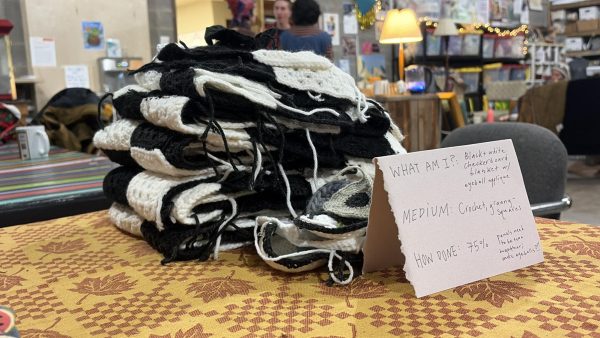
Joey Kwasnicki, craft studio co-manager and Ithaca College graduate, made their Craft Jam an evening dedicated to swapping unfinished crafts between attendees.
“I had a blanket I didn’t want to finish,” Kwasnicki said. “So I wanted someone else to finish it for me, and also finish it for themselves. And then they have a beautiful new project to start.”
Principles of sustainability
According to the company’s website, sustainability is one of Soil Factory’s guiding principles.
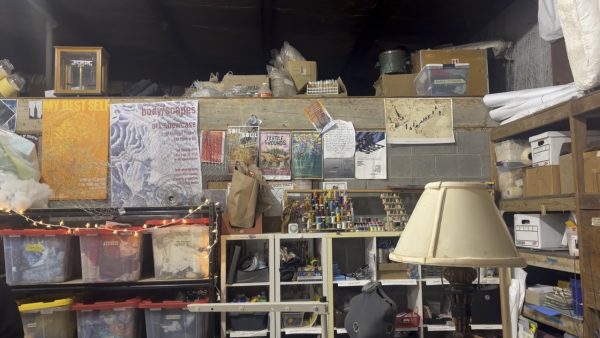
“Within the crafting space, we’re really sort of relying on people donating scrap material,” Rohini Gupta, postdoctoral researcher at Cornell and manager of the linocut space at Soil Factory, said. “Everything, all the thread and the scissors, everything comes from donations. I really appreciate that because there’s just so much textile waste and an excess of clothing out there.”
Another aspect of the company’s commitment to sustainability is the choice to make the space free to use.
“A lot of the space is breaking out of that mindset of like, you have to pay to exist, and you have to constantly generate profit,” Kwasnicki said. “The craft jams are come and craft. It’s not come and create a product you can sell.”
Creating community
Janet Sutta moved to Ithaca in August of 2026 and came to Soil Factory for the first time that month. Immediately, she says, she was hooked. Since then, she has been coming to events regularly.
“Getting old is bad,” Sutta said, “But being made to feel old is worse.” She expressed that, despite the age difference between her and other members of the Soil Factory community, she had never felt out of place at Soil Factory.
According to Gupta, it is this strong community that stepped in to support Soil Factory when they lost federal funding.
“When a lot of the science and arts grants were actually completely removed, there was a really big push to try to do more of a grassroots fundraising,” Gupta said. “We threw an awesome three-day festival, and we raised a ton of money. To see the community come together, that was super exciting and has been really key in sustaining Soil Factory.”